

Taking Medicines Safely as You Age
Medicines are intended to help us live longer and healthier, but taking medicines the wrong way or mixing certain drugs and supplements can be dangerous. Older adults often have multiple medical conditions and may take many medicines, which puts them at...

Risk and Protective Factors for Older Adults
A combination of individual, relational, community, and societal factors contribute to the risk of becoming a perpetrator of elder abuse. They are contributing factors and may or may not be direct causes. Understanding these factors can help identify various...

Memory, Forgetfulness, and Aging: What’s Normal and What’s Not?
Older adults may worry about their memory and other thinking abilities, such as taking longer to learn something new. These changes are usually signs of mild forgetfulness — or age-related forgetfulness — and are often a normal part of aging. However, more serious...

High Vulnerability to Impersonation Scams Among Older Adults
Older adults may be even more vulnerable to fraud and scams than previously thought, according to an NIA-funded study that mimicked a real-world government imposter scam. The results suggest that a sizable minority of older adults, including those without cognitive...

Who Needs a Flu Vaccine?
A number of flu vaccines will be available this season. These include: injectable flu vaccines, or flu shots. These include: Flu shots that are made with inactivated influenza viruses. One flu shot that is made without influenza viruses. A live attenuated...

September is Healthy Aging Month: Healthy Aging Tips for the Older Adults in Your Life
If you have older family members or loved ones, you may worry about their health as they age. Aging increases the risk of chronic diseases such as heart disease, type 2 diabetes, arthritis, cancer, and dementia. The good news is that adopting and maintaining a few key...

Three Types of Exercise Can Improve Your Health & Physical Ability
Most people tend to focus on one type of exercise or activity and think they’re doing enough. Research has shown that it’s important to get all three types: aerobic, muscle-strengthening, and balance. Doing one type of exercise can help improve your ability to do the...

How To Choose a Doctor You Can Talk to
Finding a main doctor (often called your primary doctor or primary care doctor) who you feel comfortable talking to is the first step in good communication. How well you and your doctor talk to each other is one of the most important steps to getting good health care....

Immunization Awareness Month: Vaccinations and Older Adults
Which vaccines do older adults need? As you get older, a health care provider may recommend vaccinations, also known as shots or immunizations, to help prevent certain illnesses. Talk with a doctor or pharmacist about which of the following vaccines you need....
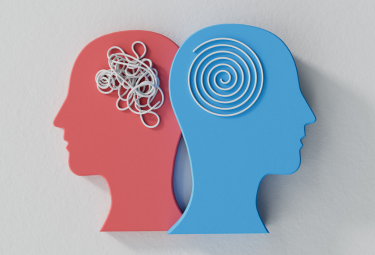
Frontotemporal Disorders: Causes, Symptoms, and Diagnosis
The symptoms of frontotemporal dementia (FTD) and other frontotemporal disorders gradually rob people of basic abilities — thinking, talking, walking, and socializing — that most of us take for granted. FTD and other frontotemporal disorders are a common cause of...
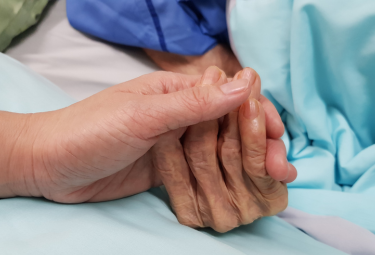
Providing Care and Comfort at the End of Life
Not all end-of-life experiences are alike. Death can come suddenly, or a person may linger in a near-death state for days. For some older adults at the end of life, the body weakens while the mind stays clear. Others remain physically strong while cognitive...
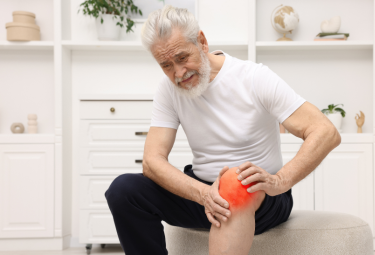
Osteoarthritis
Osteoarthritis is the most common form of arthritis among older adults. It is also one of the most common causes of physical disability among adults. Osteoarthritis is a degenerative joint disease that happens when the tissues that cushion the ends of the bones within...

Diabetes in Older People
Diabetes is a serious disease that affects many older adults. Diabetes occurs when a person’s blood glucose, also called blood sugar, is too high. The good news is that you can take steps to delay or prevent type 2 diabetes, which is the most common form of the...
Alzheimer’s & Brain Awareness Month: How Is Alzheimer’s Disease Diagnosed?
Doctors use several methods and tools to help determine if a person with thinking or memory problems has Alzheimer’s disease. To diagnose Alzheimer’s, doctors may: Ask the person experiencing symptoms, as well as a family member or friend, questions about overall...
Adapting Activities for People With Alzheimer’s Disease
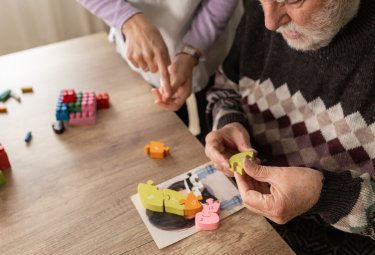
People with Alzheimer’s need to be active and do things they enjoy. However, activities they used to enjoy may become challenging for them as the disease worsens. They may have trouble deciding what to do or starting tasks. As a caregiver, you can learn how to...
Coping With Alzheimer’s Behaviors: Rummaging and Hiding Things
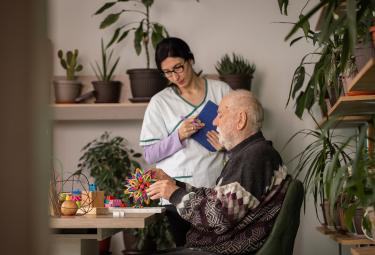
Someone with Alzheimer’s disease may start rummaging or searching through cabinets, drawers, closets, the refrigerator, and other places where things are stored. They may also hide items around the house. In some cases, there might be a logical reason for...

How Is Alzheimer’s Disease Treated?
Several prescription drugs are approved by the U.S. Food and Drug Administration (FDA) for Alzheimer’s disease to help either manage the symptoms of or to treat the disease. Most FDA-approved drugs work best for people in the early or middle stages of Alzheimer’s....

Alzheimer’s & Brain Awareness Month: Thinking About Your Risk for Alzheimer’s Disease? Five Questions To Consider
Ask yourself the five questions below to help understand your risk factors for developing Alzheimer’s disease. How old are you? Age is the biggest known risk factor for Alzheimer’s. Most people with Alzheimer’s develop the disease when they are 65 or older, with...
Brain Health: What is it and Why is it Important?
Brain health affects many aspects of life, including how you think, feel, act, and relate to others. Many factors can affect brain health, including age-related changes in the brain, injuries such as stroke, mood disorders, substance use disorder, and diseases such as...

Sleep Habits for Older Adults
People spend about one-third of their life sleeping or trying to sleep. Being older doesn’t mean you have to be tired. Sleep is important for your body and affects your ability to function during the day. Below are some healthy habits that can help you fall and stay...

Maintaining a Healthy Weight
Many factors can affect your weight, including your genes, age, sex, lifestyle, family habits, culture, sleep, and even where you live and work. Some of these factors can make it hard to maintain or achieve a healthy weight. Regardless, following a nutritious...

Safe Driving for Older Adults
While many older adults value the independence of driving, changes that happen with age may alter a person’s ability to drive safely. You may notice driving becoming more difficult over time for yourself or for your loved ones. Changes in health, including medical...

Talking With Your Older Patients
Doctor-patient communication is an essential, though sometimes challenging, aspect of the health care process. The following suggestions can help you work with older patients to optimize care and make the most of your time and resources. Tips for communicating with...

Managing Money Problems for People with Dementia
People with Alzheimer’s disease or a related dementia often have problems managing their money. Research shows that money problems may be one of the first noticeable signs of the disease. Early on, a person with dementia may be able to perform basic tasks,...

Getting Started with Caregiving
If you have never been a caregiver before, it may feel daunting at first. There might be tasks to organize, new medical terms to learn, and schedules to coordinate. If you live far away from the person who needs care, you may need to find new ways to stay in touch....

Participating in Alzheimer’s Disease and Related Dementias Research
Scientists continue to make great strides in identifying potential new ways to diagnose, treat, and even prevent Alzheimer’s disease and related dementias. These medical advances would not be possible without the participation of a diverse range of...

Health Benefits of Exercise and Physical Activity
Physical activity is essential for healthy aging, and it can be beneficial at any stage of life. Some potential benefits are immediate, such as reduced feelings of anxiety, reduced blood pressure, and improved sleep. Others are long term and require consistent...

Alzheimer’s Caregiving: Finding Long-Term Care
There may come a time when you can no longer care for a person with Alzheimer’s disease at home. When that happens, you will need to find another place for that person to live. You may feel guilty or upset about this decision, but as the disease...

Making Decisions for Someone at the End of Life
You are probably reading this because someone close to you is dying. You may wonder how you can comfort the person, prevent suffering, and provide the best quality of life possible in their remaining time. If the person can no longer communicate, you may be asked to...

How To Find Reliable Health Information Online
Many older adults share a common concern: “Can I trust the health information I find online?” There are thousands of medical websites. Some provide up-to-date medical news and reliable health information, and some do not. Choosing trustworthy websites is an important...

American Heart Month: Heart Health – What is a Heart Attack?
A heart attack happens when the flow of blood in one or more of the coronary arteries (major blood vessels that supply blood to the heart), suddenly becomes blocked. When this happens, part of your heart can’t get enough oxygen. A heart attack is usually caused by...

Parkinson’s Disease: Causes, Symptoms, and Treatments
Parkinson’s disease is a brain disorder that causes unintended or uncontrollable movements, such as shaking, stiffness, and difficulty with balance and coordination. Symptoms usually begin gradually and worsen over time. As the disease progresses, people may have...
Alzheimer’s Caregiving: Managing Personality and Behavior Changes
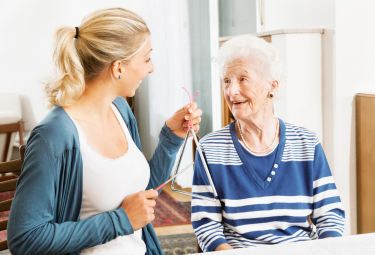
Alzheimer’s disease changes the brain in ways that can affect how a person acts. Some days, the person might seem like themselves, and other days they might act in unusual ways. This variation from one day to the next is common for people with Alzheimer’s. On...
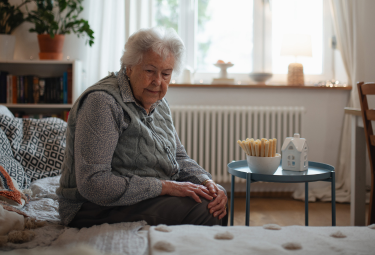
Tips for Living Alone With Early-Stage Dementia
Have you, or has someone you love, recently been diagnosed with mild cognitive impairment, early-stage Alzheimer’s disease, vascular dementia, Lewy body dementia, or a frontotemporal disorder? Do you worry about how to manage if you live alone? If so, these tips...

What Should I Ask My Doctor During a Checkup?
Asking questions is key to good communication with your doctor. If you don’t ask questions, he or she may assume you already know the answer or that you don’t want more information. Don’t wait for the doctor to raise a specific question or subject; he or she may not...

Healthy Eating As You Age: Know Your Food Groups
Healthy Eating As You Age: Know Your Food Groups Making smart food choices is an important part of healthy aging. Understanding the different food groups — and how much of each should make up your diet — can help you form a healthy eating pattern over time. This...

Getting Your Affairs in Order Checklist: Documents to Prepare for the Future
No one ever plans to be sick or disabled. Yet, planning for the future can make all the difference in an emergency and at the end-of-life. Being prepared and having important documents in a single place can give you peace of mind, help ensure your wishes are honored,...

Pain: You Can Get Help
Phyllis’s Story Phyllis loves playing with her grandchildren, working in the garden, and going to bingo games. But, at age 76, the constant knee pain from osteoarthritis is taking a toll. It keeps her awake at night and stops her from doing...

Discussing Health Decisions with Your Doctor
Ask About Different Treatment Options You will benefit most from a treatment when you know what is happening and are involved in making decisions. Make sure you understand what your treatment involves and what it will or will not do. Have the doctor give you...

Falls and Fractures in Older Adults: Causes and Prevention
A simple accident like tripping on a rug or slipping on a wet floor can change your life. If you fall, you could break a bone, which thousands of older adults experience each year. For older people, a broken bone can also be the start of more serious health problems...

How Much Should I Eat as an Older Adult?
Figuring out how much to eat while achieving or maintaining a healthy weight can be difficult. Getting the proper nutrients and eating the right amount for your weight and activity level can contribute to healthy aging. This article provides suggestions for...

Fatigue in Older Adults
Fatigue is a feeling of weariness, tiredness, or lack of energy. It can be a normal response to physical activity, emotional stress, boredom, or lack of sleep, but it can also signal a more serious mental or physical condition. Everyone feels tired now and then. If...

Taking Care of Yourself: Tips for Caregivers
Taking care of yourself is one of the most important things you can do as a caregiver. Caregiving is not easy — not for the caregiver and not for the person receiving care. It requires sacrifices and adjustments for everyone. Often, family caregivers must juggle work...

Coping With Agitation, Aggression, and Sundowning in Alzheimer’s Disease
People with Alzheimer’s disease may become agitated or aggressive as the disease gets worse. Agitation means that a person is restless and worried, and they aren’t able to settle down. Agitated people may pace a lot, not be able to sleep, or act aggressively...

Different Care Settings at the End of Life
The three most common places people at the end-of-life die are at home, in a hospital, or in a care facility. While not everyone has the chance to decide where they will die, people who know the end of life is approaching may be able to plan ahead. Several factors may...

Infection Prevention Week: Hand Hygiene for Patients in Healthcare Settings
Hands have good germs that your body needs to stay healthy. Hands can also have bad germs on them that make you sick. Alcohol-based hand sanitizer kills most of the bad germs that make you sick. Alcohol-based hand sanitizers kill the good and bad germs, but the good...

Advance Care Planning and Health Care Decisions: Tips for Caregivers and Families
Knowing what matters most to your loved one can help you honor their wishes and give you peace of mind if they become too sick to make decisions. Unfortunately, only one in three people in the United States has a plan for their future health care in place. There are...

Active Aging Week: Health Benefits of Exercise and Physical Activity
Physical activity is essential for healthy aging, and it can be beneficial at any stage of life. Some potential benefits are immediate, such as reduced feelings of anxiety, reduced blood pressure, and improved sleep. Others are long term and require consistent...
Assessing Cognitive Impairment in Older Patients
As a primary care practitioner, you likely have long-established relationships with some of your patients and are in an ideal position to observe potential signs of a cognitive problem. You and your staff are often the first to address a patient’s or family’s concerns...

Dietary Supplements for Older Adults
Dietary supplements can be beneficial at any age, but they can also have unwanted side effects, such as unsafe prescription drug interactions. They could also not work at all. It’s important to understand the supplements you are taking and why you are taking them....
Managing Sleep Problems in Alzheimer’s Disease
Alzheimer’s disease often affects a person’s sleeping habits. People with Alzheimer’s may experience the following sleep problems: Sleeping a lot or not enough Waking up many times during the night Napping a lot during the day Restlessness, agitation,...

September is Healthy Aging Month: What Do We Know About Healthy Aging?
Many factors influence healthy aging. Some of these, such as genetics, are not in our control. Others — like exercise, a healthy diet, going to the doctor regularly, and taking care of our mental health — are within our reach. Research supported by NIA and others has...
Bluegrass Consulting Group Acquires Wellington Parc Nursing and Rehabilitation in Owensboro, KY
Bluegrass Consulting Group, a Majestic Management company, is proud to announce the acquisition of Wellington Parc Nursing and Rehabilitation, an 80-bed skilled nursing facility in Owensboro, Kentucky. This acquisition reflects Bluegrass Consulting Group’s continued...

Aging in Place: Growing Older at Home
Many people want the same things as they get older: to stay in their own homes, to maintain independence for as long as possible, and to turn to family and friends for help when needed. Staying in your own home as you get older is called “aging in place.” But many...