Follow Wellington Parc Nursing and Rehabilitation on Facebook! Click Here

To see a list of frequently asked questions please Click Here

Wellington Parc | Nursing & Rehabilitation

Latest News

Latest News

Dietary Supplements for Older Adults

September 22, 2025

Dietary supplements can be beneficial at any age, but they can also have unwanted side effects, such as unsafe prescription drug interactions. They could also not work at all.

It’s important to understand the supplements you are taking and why you are taking them. Talk with your doctor if you are considering taking a supplement.

What is a dietary supplement?

Dietary supplements are substances you might use to add nutrients to your diet or to lower your risk of health problems such as osteoporosis or arthritis. Dietary supplements come in the form of pills, capsules, powders, gel capsules and tablets, extracts, or liquids. They might contain vitamins, minerals, fiber, amino acids, herbs or other plants, or enzymes. Sometimes, the ingredients in dietary supplements are added to foods and drinks. A doctor’s prescription is not needed to buy dietary supplements.

Should I take a dietary supplement?

Eating a variety of healthy foods is the best way to get the nutrients you need. However, some people may not get enough vitamins and minerals from their daily diet. When that’s the case, their doctors may recommend a dietary supplement to provide missing nutrients.

If you are thinking about using dietary supplements:

  • Learn. Find out as much as you can about any dietary supplement you might take. Talk with your doctor, pharmacist, or a registered dietitian. A supplement that seemed to help your neighbor might not work for you. If you are reading fact sheets or checking websites, be aware of the source of the information. Could the writer or group profit from the sale of a particular supplement? Read more about choosing reliable health information websites.
  • Remember. Just because something is said to be “natural” doesn’t mean it is safe or good for you. It could have side effects. It might make a medicine your doctor prescribed for you either weaker or stronger. It could also be harmful to you if you have certain medical conditions.
  • Tell your doctor. Before deciding to start taking a dietary supplement to treat any health condition, check with your doctor. Do not take a supplement to try to diagnose or treat any health condition without first checking with your doctor. Learn how medications can interact with dietary supplements. For more information, visit the National Center for Complementary and Integrative Health.
  • Buy wisely. Choose brands that your doctor, dietitian, or pharmacist recommend. Don’t buy dietary supplements with ingredients you don’t need. Don’t assume that more is better — it can actually be harmful to take too many supplements or those with a very high concentration of a nutrient. It is possible to waste money on unneeded supplements.
  • Check the science. Make sure any claim about a dietary supplement is based on scientific proof. Look for the United States Pharmacopeia (USP) verified mark. USP verifies the identity, quality, strength, and purity of supplements. Information on some dietary supplements is available on MedlinePlus, but it’s important to note that most supplements listed have limited evidence of any benefit. If something sounds too good to be true, it probably is.
  • Be a savvy consumer. Some advertisements for dietary supplements in magazines, online, or on TV promise that some of these products will make you feel better, keep you from getting sick, or even help you live longer. It’s important to know that often, there is little, if any, science supporting these claims.
Dietary supplements for older adults

People over age 50 may need more of some vitamins and minerals than younger adults do. Your doctor or a dietitian can tell you whether you need to change your diet or take a vitamin or mineral supplement to get enough of these:

  • Calcium: Calcium works with vitamin D to keep bones strong at all ages. Bone loss can lead to fractures in both older women and men. Calcium is found in milk and milk products (fat-free or low-fat is best), canned fish with soft bones, dark-green leafy vegetables like kale, and foods with calcium added, such as breakfast cereals.
  • Vitamin D: Most people in the United States consume less than recommended amounts of vitamin D. Talk with your doctor about adding vitamin D-fortified milk and milk products, vitamin D-fortified cereals, and fatty fish to your diet, or using a vitamin D supplement.
  • Vitamin B6: This vitamin is needed to form red blood cells. It is found in potatoes, bananas, chicken breasts, and fortified cereals.
  • Vitamin B12: This helps keep your red blood cells and nerves healthy. While older adults need just as much vitamin B12 as other adults, some have trouble absorbing the vitamin naturally found in food. If you have this problem, your doctor may recommend that you eat foods like fortified cereals with this vitamin added, or take a B12 supplement. Strict vegetarians and vegans are at greater risk of developing vitamin B12 deficiency because natural food sources of vitamin B12 are limited to animal foods. Talk with your doctor about whether taking a B12 supplement is right for you.
What are antioxidants?

You might hear about antioxidants in the news. These are natural substances in food that might help protect you from some diseases. Here are some common antioxidants that you should be sure to include in your diet:

  • Beta-carotene: Found in fruits and vegetables that are either dark green or dark orange
  • Selenium: Found in seafood, liver, meat, and grains
  • Vitamin C: Found in citrus fruits, peppers, tomatoes, and berries
  • Vitamin E: Found in wheat germ, nuts, and sesame seeds; and canola, olive, and peanut oils

Currently, research results suggest that large doses of supplements with antioxidants will not prevent chronic diseases such as heart disease or diabetes. In fact, some studies have shown that taking large doses of some antioxidants could be harmful. Again, it is best to check with your doctor before taking a dietary supplement.

Herbal supplements and older adults

Herbal supplements are dietary supplements that come from plants. These types of supplements are taken by mouth, whether it’s by a capsule, tablet, powder, or liquid.

A few that you may have heard of are ginkgo biloba, ginseng, echinacea, and black cohosh. Researchers are looking at using herbal supplements to prevent or treat some health problems, but it’s too early to know if these are both safe and useful. Previous studies of certain herbal supplements have not shown any benefits.

It’s important to know that just because a supplement is natural, or comes from plants, that doesn’t necessarily mean it’s safe.

Are dietary supplements safe?

The U.S. Food and Drug Administration (FDA) checks prescription medicines, such as antibiotics or blood pressure drugs, to make sure they are safe and do what they promise. The same is true for over-the-counter drugs such as pain and cold medicines. However, the FDA does not have authority over dietary supplements, which do not have to be approved by this agency for safety or efficacy before being sold to the public.

The federal government does not regularly test what is in dietary supplements, and companies are not required to share information about the safety of these products with the FDA before they sell them. So, just because a dietary supplement is on a store shelf, that does not mean it is safe, does what the label says it will, or contains what the label states.

If the FDA receives reports of possible problems with a supplement, it will issue warnings about the product. The FDA may also take supplements that are found to be unsafe off the market.

The Federal Trade Commission investigates reports of ads that might misrepresent what dietary supplements do. A few private groups, such as the U.S. Pharmacopeia, NSF International, ConsumerLab.com, and the Natural Products Association, have their own “seals of approval” for dietary supplements. To earn such a seal, products must be made by following good manufacturing procedures, must contain what is listed on the label, and must not have harmful levels of ingredients that don’t belong there, such as lead.

Whether you take dietary supplements or not, it’s still important to follow a healthy lifestyle. Try sticking to a healthy diet, being physically active, keeping your mind active, not smoking, and seeing your doctor regularly.

To learn more, please visit https://www.nia.nih.gov/health/vitamins-and-supplements/dietary-supplements-older-adults.

Managing Sleep Problems in Alzheimer’s Disease

September 16, 2025

Alzheimer’s disease often affects a person’s sleeping habits. People with Alzheimer’s may experience the following sleep problems:

  • Sleeping a lot or not enough
  • Waking up many times during the night
  • Napping a lot during the day
  • Restlessness, agitation, irritability, and confusion as daylight begins to fade, known as sundowning

Here are some tips that may help caregivers ease sleep problems in people with Alzheimer’s: 

  • Help the person get exercise each day.
  • Limit naps and dozing late in the day.
  • Plan activities that use more energy early in the day. For example, try bathing in the morning or having the largest meal in the middle of the day.
  • Set a quiet, peaceful mood in the evening to help the person relax. Keep the lights low, try to reduce noise levels, and play soothing music if the person enjoys it.
  • Follow a regular schedule by going to sleep and getting up at the same time each day, even on weekends or when traveling.
  • Develop a relaxing bedtime routine with lowered lights, cool temperature, and no electronic screens.
  • Avoid alcohol and caffeine.
  • Use nightlights in the bedroom, hall, and bathroom.

Getting Help with Sleep Problems

If sleep problems continue to be a challenge, talk with a health care provider. They may be able to identify possible causes and suggest solutions. For example, a person with Alzheimer’s may have a medical condition or take a medication that causes sleep problems. In other cases, Alzheimer’s itself may be causing changes to the brain that disrupts sleep. The health care provider may recommend medication or nonmedication strategies to help the person sleep well.

To learn more, please visit https://www.nia.nih.gov/health/sleep/managing-sleep-problems-alzheimers-disease.

September is Healthy Aging Month: What Do We Know About Healthy Aging?

September 8, 2025

Many factors influence healthy aging. Some of these, such as genetics, are not in our control. Others — like exercise, a healthy diet, going to the doctor regularly, and taking care of our mental health — are within our reach. Research supported by NIA and others has identified actions you can take to help manage your health, live as independently as possible, and maintain your quality of life as you age. Read on to learn more about the research and the steps you can take to promote healthy aging.

Taking care of your physical health

While scientists continue to actively research how to slow or prevent age-related declines in physical health, they’ve already discovered multiple ways to improve the chances of maintaining optimal health later in life. Taking care of your physical health involves staying active, making healthy food choices, getting enough sleep, limiting your alcohol intake, and proactively managing your health care. Small changes in each of these areas can go a long way to support healthy aging.

Get moving: Exercise and physical activity

Whether you love it or hate it, physical activity is a cornerstone of healthy aging. Scientific evidence suggests that people who exercise regularly not only live longer, but also may live better — meaning they enjoy more years of life without pain or disability.

A study of adults 40 and older found that taking 8,000 steps or more per day, compared to only taking 4,000 steps, was associated with a 51% lower risk of death from all causes. You can increase the number of steps you get each day by doing activities that keep your body moving, such as gardening, walking the dog, and taking the stairs instead of the elevator.

Although it has many other benefits, exercise is an essential tool for maintaining a healthy weight. Adults with obesity have an increased risk of death, disability, and many diseases such as type 2 diabetes and high blood pressure. However, thinner is not always healthier either. Being or becoming too thin as an older adult can weaken your immune system, increase the risk of bone fracture, and in some cases may be a symptom of disease. Both obesity and underweight conditions can lead to loss of muscle mass, which may cause a person to feel weak and easily worn out.

As people age, muscle function often declines. Older adults may not have the energy to do everyday activities and can lose their independence. However, exercise can help older adults maintain muscle mass as they age. In a 2019 investigation of data from NIA’s Baltimore Longitudinal Study of Aging, researchers found that moderate to vigorous physical activity is strongly associated with muscle function, regardless of age. This suggests that exercise may be able to prevent age-related decline in muscle function.

In addition to helping older adults live better, maintaining muscle mass can help them live longer. In another study, researchers found that in adults older than 55, muscle mass was a better predictor of longevity than was weight or body mass index (BMI).

What can you do?

Although many studies focus on the effects of physical activity on weight and BMI, research has found that even if you’re not losing weight, exercise can still help you live longer and better. There are many ways to get started. Try being physically active in short spurts throughout the day or setting aside specific times each week to exercise. Many activities, such as brisk walking or yoga, are free or low cost and do not require special equipment. As you become more active, you will start feeling energized and refreshed after exercising instead of exhausted. The key is to find ways to get motivated and get moving.

Healthy eating: Make smart food choices

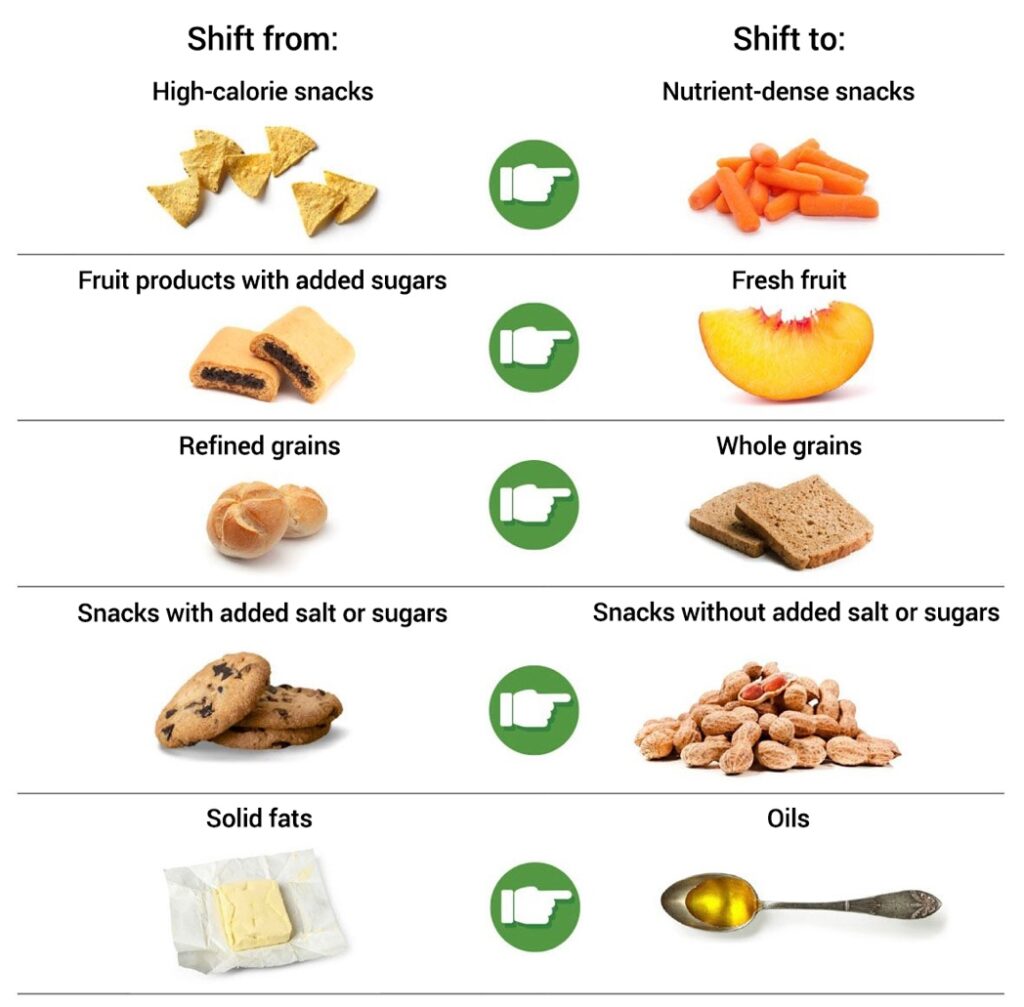
Making smart food choices can help protect you from certain health problems as you age and may even help improve brain function. As with exercise, eating well is not just about your weight. With so many different diets out there, choosing what to eat can be confusing. The 2020-2025 Dietary Guidelines for Americans provide healthy eating recommendations for each stage of life. The Dietary Guidelines suggest an eating pattern with lots of fresh fruits and vegetables, whole grains, healthy fats, and lean proteins.

Much of the research shows that the Mediterranean-style eating pattern, which includes fresh produce, whole grains, and healthy fats, but less dairy and more fish than a traditional American diet, may have a positive impact on health. A 2021 study analyzing the eating patterns of more than 21,000 participants found that people closely following the Mediterranean-style pattern had a significantly lower risk of sudden cardiac death.

A low-salt diet called Dietary Approaches to Stop Hypertension (DASH) has also been shown to deliver significant health benefits. Studies testing the DASH diet found that it lowers blood pressure, helps people lose weight, and reduces the risk of type 2 diabetes and heart disease.

Yet another eating pattern that may support healthy aging is the MIND diet, which combines a Mediterranean-style eating pattern with DASH. Researchers have found that people who closely follow the MIND diet have better overall cognition — the ability to clearly think, learn, and remember — compared to those with other eating styles.

What can you do?

Try starting with small changes by adopting one or two aspects of the Mediterranean-style eating pattern or MIND diet. Several studies have shown that incorporating even a part of these eating patterns, such as more fish or more leafy greens, into your daily eating habits can improve health outcomes. One study of 182 older adults with frequent migraines found that a diet lower in vegetable oil and higher in fatty fish could reduce migraine headachesAnother study that followed almost 1,000 older adults over five years found that consumption of green leafy vegetables was significantly associated with slower cognitive decline.

Even if you haven’t thought much about healthy eating until recently, changing your diet now can still improve your well-being as an older adult. If you are concerned about what you eat, talk with your doctor about ways you can make better food choices.

Getting a good night’s sleep

Getting enough sleep helps you stay healthy and alert. Even though older adults need the same seven to nine hours of sleep as all adults, they often don’t get enough. Feeling sick or being in pain can make it harder to sleep, and some medicines can keep you awake. Not getting enough quality sleep can make a person irritable, depressed, forgetful, and more likely to have falls or other accidents.

Sleep quality matters for memory and mood. In one study of adults older than 65, researchers found that those who had poor sleep quality had a harder time problem-solving and concentrating than those who got good quality sleep. Another study, which looked at data from nearly 8,000 people, showed that those in their 50s and 60s who got six hours of sleep or less a night were at a higher risk of developing dementia later in life. This may be because inadequate sleep is associated with the buildup of beta-amyloid, a protein involved in Alzheimer’s disease. Poor sleep may also worsen depression symptoms in older adults. Emerging evidence suggests that older adults who were diagnosed with depression in the past, and do not get quality sleep, may be more likely to experience their depression symptoms again.

More generally, a 2021 study found that older adults who did not sleep well and napped often were at greater risk of dying within the next five years. Conversely, getting good sleep is associated with lower rates of insulin resistance, heart disease, and obesity. Sleep can also improve your creativity and decision-making skills, and even your blood sugar levels.

What can you do?

There are many things you can do to help you sleep better, such as following a regular sleep schedule. Try to fall asleep and get up at the same time each day. Avoid napping late in the day, as this may keep you awake at night. Exercise can help you sleep better, too, if it isn’t too close to bedtime. Research suggests that behavioral interventions, such as mindfulness meditation, can also improve sleep quality.

Quit smoking

It doesn’t matter how old you are or how long you’ve been smoking, research confirms that even if you’re 60 or older and have been smoking for decades, quitting will improve your health. Quitting smoking at any age will:

  • Lower your risk of cancer, heart attack, stroke, and lung disease
  • Improve your blood circulation
  • Improve your sense of taste and smell
  • Increase your ability to exercise
  • Set a healthy example for others

One study found that among men 55 to 74 years old and women 60 to 74 years old, current smokers were three times more likely to die within the six-year follow-up period than those who had never smoked.

What can you do?

If you smoke, quit. Quitting smoking is good for your health and may add years to your life. One study of nearly 200,000 people demonstrated that older adults who quit smoking between the ages of 45 and 54 lived about six years longer compared to those who continued to smoke. Adults who quit between the ages of 55 to 64 lived about four years longer. It is never too late to stop smoking and reap the benefits of breathing easier, having more energy, saving money, and improving your health.

Alcohol and other substances

Like all adults, older adults should avoid or limit alcohol consumption. In fact, aging can lead to social and physical changes that make older adults more susceptible to alcohol misuse and abuse and more vulnerable to the consequences of alcohol. Alcohol dependence or heavy drinking affects every organ in the body, including the brain.

comprehensive study from the National Institute on Alcohol Abuse and Alcoholism shows that alcohol consumption among older adults, especially women, is on the rise. The researchers also found evidence that certain brain regions show signs of premature aging in alcohol-dependent men and women. In addition, heavy drinking for extended periods of time in older adults may contribute to poor heart health, as shown in this 2016 study. These studies suggest that stopping or limiting the use of alcohol could improve heart health and prevent the accelerated aging seen with heavy alcohol use.

In addition to being cautious with alcohol, older adults and their caregivers should be aware of other substances that can be misused or abused. Because older adults are commonly prescribed opioids for pain and benzodiazepines for anxiety or trouble sleeping, they may be at risk for misuse and dependence on these substances. One study of adults age 50 and older showed that misuse of prescription opioids or benzodiazepines is associated with thoughts of suicide.

What can you do?

Learn about the current U.S. guidelines for drinking and when to avoid alcohol altogether. It’s important to be aware of how much you are drinking and the harm that drinking can cause. If you or a loved one needs help with substance abuse or alcohol use, talk with your doctor or a mental health professional. You can also try finding a support group for older adults with substance or alcohol abuse issues.

Learn about substance use in older adults and get tips on how to stop drinking alcohol or drink less alcohol.

Go to the doctor regularly

Going to the doctor for regular health screenings is essential for healthy aging. A 2021 study found that getting regular check-ups helps doctors catch chronic diseases early and can help patients reduce risk factors for disease, such as high blood pressure and cholesterol levels. People who went to the doctor regularly also reported improved quality of life and feelings of wellness.

In recent years, scientists have developed and improved upon laboratory, imaging, and similar biological tests that help uncover and monitor signs of age-related disease. Harmful changes in the cells and molecules of your body may occur years before you start to experience any symptoms of disease. Tests that detect these changes can help medical professionals diagnose and treat disease early, improving health outcomes.

What can you do?

Visit the doctor at least yearly and possibly more depending on your health. You cannot reap the benefits of medical advancements without regular trips to the doctor for physical exams and other tests. Regular screenings can uncover diseases and conditions you may not yet be aware of, such as diabetes, cancer, and cardiovascular disease. If you only seek medical attention when you’re experiencing symptoms, you may lose the chance of having your doctor catch a disease in its earliest stages, when it would be most treatable. Regular check-ups can help ensure you could start treatment months or years earlier than would have been possible otherwise.

Taking care of your mental health

Mental health, or mental wellness, is essential to your overall health and quality of life. It affects how we think, feel, act, make choices, and relate to others. Managing social isolation, loneliness, stress, depression, and mood through medical and self-care is key to healthy aging.

Social isolation and loneliness

As people age, changes such as hearing and vision loss, memory loss, disability, trouble getting around, and the loss of family and friends can make it difficult to maintain social connections. This makes older adults more likely to be socially isolated or to feel lonely. Although they sound similar, social isolation and loneliness are different. Loneliness is the distressing feeling of being alone or separated, while social isolation is the lack of social contacts and having few people to interact with regularly.

Several recent studies show that older adults who are socially isolated or feel lonely are at higher risk for heart disease, depression, and cognitive decline. A 2021 study of more than 11,000 adults older than age 70 found that loneliness was associated with a greater risk of heart disease. Another recent study found that socially isolated older adults experienced more chronic lung conditions and depressive symptoms compared to older adults with social support.

Feeling lonely can also impact memory. A study of more than 8,000 adults older than 65 found that loneliness was linked to faster cognitive decline.

Research also shows that being socially active can benefit older adults. A study of more than 3,000 older adults found that making new social contacts was associated with improved self-reported physical and psychological well-being. Being social may also help you reach your exercise goals. A 2019 study found that older adults who had regular contact with friends and family were more physically active than those who did not.

What can you do?

Staying connected with others may help boost your mood and improve your overall well-being. Stay in touch with family and friends in person or over the phone. Scheduling time each day to connect with others can help you maintain connections. Meet new people by taking a class to learn something new or hone a skill you already have.

Stress

Stress is a natural part of life and comes in many forms. Sometimes stress arises from difficult events or circumstances. Positive changes, like the birth of a grandchild or a promotion, can cause stress too. Research shows that constant stress can change the brain, affect memory, and increase the risk of developing Alzheimer’s or related dementias.

Older adults are at particular risk for stress and stress-related problems. A recent study examined how levels of the stress hormone cortisol change over time. Researchers have found that cortisol levels in a person’s body increase steadily after middle-age, and that this age-related increase in stress may drive changes in the brain. A meta-analysis funded by the National Institute of Mental Health supports the notion that stress and anxiety rewire the brain in ways that can impact memory, decision-making, and mood.

Finding ways to lower stress and increase emotional stability may support healthy aging. In an analysis of data from the Baltimore Longitudinal Study of Aging, scientists followed 2,000 participants for more than five decades, monitoring their mood and health. The data reveal that individuals who were emotionally stable lived on average three years longer than those who had a tendency toward being in a negative or anxious emotional state. Long-term stress also may contribute to or worsen a range of health problems, including digestive disorders, headaches, and sleep disorders.

What can you do?

You can help manage stress with meditation techniques, physical activity, and by participating in activities you enjoy. Keeping a journal may also help you identify and challenge negative and unhelpful thoughts. Reach out to friends and family who can help you cope in a positive way.

Depression and overall mood

Although depression is common in older adults, it can be difficult to recognize. For some older adults with depression, sadness is not their main symptom. Instead, they might feel numb or uninterested in activities and may not be as willing to talk about their feelings. Depression not only affects mental health, but also physical health. A review article funded by the National Heart, Lung, and Blood Institute summarizes hundreds of studies from around the world showing that depression increases risk of heart disease and metabolic disorders. Research has also shown that recurrent depression is a risk factor for dementia. In a study of more than 1,000 older adults, scientists found a relationship between the number of depressive episodes and increased risk of developing Alzheimer’s.

Although different than depression, which is a serious medical disorder, mood changes can also influence aging. A 2020 longitudinal study demonstrated a link between positive mood and better cognitive control. Further studies are necessary to determine whether changes that improve mood could improve cognition. The way you think about aging can also make a difference. Research shows that whether you hold negative or positive views about aging may impact health as you age. Negative beliefs about aging may increase undesirable health outcomesAlzheimer’s disease biomarkers, and cellular aging. Meanwhile, positive beliefs about aging may decrease the risk of developing dementia and obesity.

What can you do?

Depression, even when severe, can be treated. As soon as you begin noticing signs, it’s important to get evaluated by a health care professional. In addition to deep sadness or numbness, lack of sleep and loss of appetite are also common symptoms of depression in older adults. If you think you or a loved one may have depression, start by making an appointment to see your doctor or health care provider. If you are thinking of harming yourself, get help immediately — call or text the 24-hour 988 Suicide & Crisis Lifeline at 988 or 800-273-TALK (800-273-8255). For TTY, use your preferred relay service or dial 711 then 988.

Leisure activities and hobbies

Your favorite activities are not only fun — they may also be good for your health. Research shows that people who participate in hobbies and social and leisure activities may be at lower risk for some health problems. For example, one study found that participation in a community choir program for older adults reduced loneliness and increased interest in life. Another study showed that older adults who spent at least an hour reading or engaged in other hobbies had a decreased risk of dementia compared to those who spent less than 30 minutes a day on hobbies.

Research on music, theater, dance, creative writing, and other participatory arts shows promise for improving older adults’ quality of life and well-being, from better cognitive function, memory, and self-esteem to reduced stress and increased social interaction. Even hobbies as simple as taking care of a pet can improve your health. According to a 2020 study, pet ownership (or regular contact with pets) was associated with better cognitive function, and in some cases, better physical function.

What can you do?

Look for opportunities to participate in activities. Get out and about by going to a sporting event, trying a new restaurant, or visiting a museum. Learn how to cook or play a musical instrument. Consider volunteering at a school, library, or hospital to become more active in your community.

Taking care of your cognitive health

Cognition — the ability to clearly think, learn, and remember — often changes as we age. Although some people develop Alzheimer’s or other types of dementia, many older adults experience more modest changes in memory and thinking. Research shows that healthy eating, staying active, and learning new skills may help keep older adults cognitively healthy.

How different factors affect cognitive health

If you think your daily choices don’t make a difference, data from an NIH study with 3,000 participants show otherwise. Researchers scored participants on five healthy lifestyle factors, all of which have important health benefits:

  • At least 150 minutes per week of moderate- to vigorous-intensity physical activity
  • Not smoking
  • Not drinking heavily
  • A high-quality, Mediterranean-style diet
  • Engagement in mentally stimulating activities, such as reading, writing letters, and playing games

The findings show that making these small, daily changes can add up to significant health benefits. Those who followed at least four of these healthy lifestyle behaviors had a 60% lower risk of developing Alzheimer’s. Even practicing just two or three activities lowered the risk by 37%. While results from observational studies such as this one cannot prove cause and effect, they point to how a combination of modifiable behaviors may mitigate Alzheimer’s risk and identify promising avenues to be tested in clinical trials.

New clinical trials are also testing the benefits of tightly controlling blood pressure on healthy aging. These trials are based on a 2019 study, with data supporting the idea that intensive blood pressure control may slow age-related brain damage and even mild cognitive impairment, which can increase the risk for Alzheimer’s or a related dementia.

Researchers continue work to understand how we might prevent Alzheimer’s and other forms of age-related cognitive decline. NIA is currently funding more than 350 active clinical trials on Alzheimer’s and related dementias, 100 of which use nondrug interventions, such as exercise, diet, cognitive training, sleep, or combination therapies.

How cognitive training affects health outcomes

Many brain training programs are marketed to the public to improve cognition. Although some of these computer or smartphone-based interventions show promise, so far there is no conclusive evidence that these applications are beneficial.

But there is some evidence that exercising your brain by learning a new skill can improve memory function. A study of adults 60 and older showed that sustained engagement in cognitively demanding, novel activity enhanced memory function. In particular, the new skills learned in this study were 1) learning how to use computer software to edit photos and 2) learning how to quilt. Learning a new game, instrument, craft, or other skill can be fun and may have the added benefit of staving off memory loss as you age.

Taking care of your physical, mental, and cognitive health is important for healthy aging. Even making small changes in your daily life can help you live longer and better. In general, you can support your physical health by staying active, eating and sleeping well, and going to the doctor regularly. Take care of your mental health by interacting with family and friends, trying to stay positive, and participating in activities you enjoy. Taking steps to achieve better physical and mental health may reduce your risk for Alzheimer’s and related dementias as you age.

Next steps

There is still a lot to learn, though, about how people age and what habits support healthy aging. Scientists are exploring these questions with studies that look at physical, mental, and cognitive health. You can be a part of scientific progress by joining a clinical trial or research study in person or online. All types of volunteers are needed, including caregivers, older adults with medical conditions, and those who are healthy.

To explore all trials funded by NIH, visit ClinicalTrials.gov. To find Alzheimer’s and related dementias research studies, visit the Alzheimers.gov Clinical Trials Finder. Every treatment available today is due to people like you who choose to participate in clinical research.

To learn more, please visit https://www.nia.nih.gov/health/healthy-aging/what-do-we-know-about-healthy-aging.

Bluegrass Consulting Group Acquires Wellington Parc Nursing and Rehabilitation in Owensboro, KY

September 3, 2025

Bluegrass Consulting Group, a Majestic Management company, is proud to announce the acquisition of Wellington Parc Nursing and Rehabilitation, an 80-bed skilled nursing facility in Owensboro, Kentucky. This acquisition reflects Bluegrass Consulting Group’s continued commitment to strengthening senior care services across the state of Kentucky while upholding the values of compassion, dignity, and excellence in care.

Located in Owensboro, Kentucky, Wellington Parc Nursing and Rehabilitation offers compassionate 24-hour skilled nursing care in its 80-bed facility. The Care Team is specially trained to work with seniors, providing personalized therapy and care programs designed to maximize independence and enhance quality of life. Services include daily living assistance, balance training, medication management, IV therapy, and diabetes management.

“We are thrilled to expand our footprint in the great state of Kentucky with the addition of Wellington Parc Nursing and Rehabilitation in Owensboro,” said Paul Pruitt, Chief Executive Officer of Majestic Management. “At Bluegrass Consulting Group, our mission is clear: Through the hearts of our Care Team members, we provide excellent healthcare to those we serve. This new community reflects that mission and reinforces our Brand Promise of Excellent Healthcare. Our dedicated Care Team will ensure that residents and families in Owensboro receive compassionate, personalized care tailored to their needs. As we grow, our focus remains on innovation, compassion, and excellence—working to provide the best possible experiences for those we serve.” Beyond traditional nursing care, Wellington Parc ensures residents have access to a wide range of supportive services, including memory care, and partnerships for private home and hospice care. This holistic approach provides residents and their families with peace of mind knowing comprehensive care is available in one place.

To learn more about Wellington Parc Nursing and Rehabilitation or to schedule a tour of the facility, please call (270) 685-2374.

Aging in Place: Growing Older at Home

August 12, 2025

Many people want the same things as they get older: to stay in their own homes, to maintain independence for as long as possible, and to turn to family and friends for help when needed. Staying in your own home as you get older is called “aging in place.” But many older adults and their families have concerns about safety, getting around, or other daily activities. Living at home as you age requires careful consideration and planning. This article offers suggestions to help you find the help you need to continue to live independently.

Planning ahead for aging in place

The best time to think about how to age in place is before you need a lot of care. Planning ahead allows you to make important decisions while you are still able.

The first step is to think about the kinds of help you need now and might want in the future. You can learn about home-based care and other services in your community and find out what they cost. Planning ahead also gives you time to set up your home to meet your needs as you age.

Another step is to consider any illnesses, such as diabetes or heart disease, that you or your spouse might have. Find out about how the illness could make it hard for someone to get around or take care of themselves in the future. Your health care provider can help answer your questions.

Talk with your family, friends, and other caregivers about what support is needed for you to stay in your home. Be realistic and plan to revisit the decision as your needs change over time.

Support for aging at home

Home-based care includes health, personal, and other support services to help you stay at home and live as independently as possible. In-home services may be short-term — for someone who is recovering from an operation, for example — or long-term, for people who need ongoing help.

In many cases, home-based support is provided at home by informal caregivers, such as family members, friends, and neighbors. It can also be supplemented by formal caregivers and community services.

Help you can receive at home includes:

  • Personal care: Help with everyday activities, also called “activities of daily living,” including bathing, dressing, grooming, using the toilet, eating, and moving around — for example, getting out of bed and into a chair
  • Household chores: Housecleaning, yard work, grocery shopping, laundry, and similar chores around the house
  • Meals: Shopping for food and preparing nutritious meals
  • Money management: Tasks such as paying bills and filling out health insurance forms
  • Health care: Help with many aspects of health care, including giving medications, caring for wounds, helping with medical equipment, and providing physical therapy
  • Transportation: Assistance getting around, such as rides to the doctor’s office or grocery store
  • Safety: Home safety features and help in case of a fall or other emergency

Find detailed information about in-home support services, including suggestions for arranging them, information about costs, and additional resources.

Making your home safe and accessible

There are a variety of ways to make your surroundings safer and easier to manage so they meet your needs as you age. Go through your home room by room to identify potential problems and safety issues. First, correct any immediate dangers, such as loose stair railings and poor lighting, and then work on other ways to ensure you will be as safe as possible at home.

See the Worksheet: Home Safety Checklist (PDF, 251K) for suggestions to help you identify and remove hazards around the house. Keep in mind that it may not be necessary to make all of the suggested changes. It is important, however, to reevaluate home safety every so often as your needs change.

Are you worried that making changes might be expensive? You may be able to get help paying for repairs and safety updates to your home. Check with your state housing finance agency, social services department, community development groups, or the federal government for financial aid programs and discounts. You can also visit the Eldercare Locator or call 800-677-1116 for help finding resources.

Resources for aging in place

If staying in your home is important to you, you may have concerns about getting around, being safe, and staying connected. Some of these activities become more challenging as you age. The resources below can help you find solutions.

Reach out to people you know. Family, friends, and neighbors are the biggest source of help for many older people. They may be able to drive you to doctor’s appointments, help with errands and chores, or just keep you company. Talk with those close to you about the best way to get what you need. If you are physically able, think about trading services with a friend or neighbor. For example, one could do the grocery shopping, and the other could cook dinner.

Learn about community resources. Your local Area Agency on Aging, local and state offices on aging or social services, or your tribal organization may have lists of services. These organizations will be familiar with resources available in your community and may have tips for accessing them. Health care providers and social workers may also have suggestions. If you belong to a religious community, find out whether it offers services for older adults or ask for guidance from your pastor, rabbi, or other religious leader.

Get help during the day. Support is available if your regular caregiver isn’t available during the day (for example, because they go to work). Some organizations have volunteers who regularly pay short visits to older adults. The volunteer can provide support, assistance, and companionship. Or you might consider an adult day care program, which can offer social activities, exercise, meals, and personal care during the day. Additionally, respite services provide short-term care for an older adult at home when a regular caregiver isn’t available.

Be prepared for a medical emergency. If you have a serious allergy or medical need, talk with your doctor about whether you should get a medical alert ID bracelet or necklace. You might also consider an emergency medical alert system, which responds to medical and other emergencies via an electronic monitor that a person wears. The monitor alerts emergency personnel when a person becomes lost, falls, or needs urgent medical assistance.

Talk to a geriatric care manager. These specially trained professionals can help find resources to make your daily life easier. They will work with you to form a care plan and find services you need. Geriatric care managers can be especially helpful when family members live far apart. Your doctor or other health care provider may be able to recommend a geriatric care manager, or you can contact the Aging Life Care Association for a list of these professionals in your area.

Look into government resources. Federal, state, and local governments offer many resources for older adults and their families and caregivers. A good place to start is the Eldercare Locator, which connects older Americans and their caregivers with trustworthy local support resources. Visit the Eldercare Locator or call 800-677-1116.

How much will it cost to age in place?

An important part of planning is thinking about how you are going to pay for the help you need. Home-based services can be expensive, but they may cost less than moving into a residential facility, such as assisted living or a nursing home.

How people pay for care depends on their financial situation, their eligibility for assistance programs, and the kinds of services they use. People often rely on a variety of payment sources, including:

  • Personal funds, including savings, a pension or other retirement fund, income from investments, or proceeds from the sale of a home.
  • Federal and state government programs, such as MedicareMedicaid, and the U.S. Department of Veterans Affairs (VA). Visit USA.gov for more information about government programs for health care and financial assistance.
  • Private financing, including long-term care insurance, reverse mortgages, certain life insurance policies, annuities, and trusts.

Read more about the options for paying for long-term care.

When it’s time to leave home

Most people prefer to stay in their own home for as long as possible. But there may come a time when it’s no longer safe or comfortable to live alone.

The decision about whether and when an older adult should move from their home is often difficult and emotional. Everyone will have their own reasons for wanting (or not wanting) to take such a step. One person may decide a move is right because they can’t or don’t want to manage the home any longer. For another person, the need for regular, hands-on care motivates a change.

Learn as much as you can about the housing options available as you grow older. Talk with your family about the pros and cons of each option before making a decision.

To learn more, please visit https://www.nia.nih.gov/health/aging-place/aging-place-growing-older-home.